Do You Need a Business License for YouTube? 10 US Places Checked
Usually yes once the channel earns money, but the license is local. A 10-place .gov table, a 7-step checklist, and when a DBA or seller's permit applies.


Search this question and you get forum threads that say “yes, always” next to threads that say nobody bothers. The real answer: there is no federal business license for YouTubers, a few states have a statewide one, and the license most monetized creators actually need comes from their city or county. Below is a table of 10 US states and cities, each checked on its official .gov page, plus a seven-step checklist you can finish in an afternoon.
This is general information, not licensed legal or tax advice. I built a YouTube channel past 130,000 subscribers as a one-person operation and worked in finance before that, but rules change by city and I’m not qualified to rule on yours. Every requirement below links to the government page it came from, starting with the SBA’s licenses and permits guide.
The short answer: three layers, and the local one bites
Think of licensing as three layers, and check them from the top down.
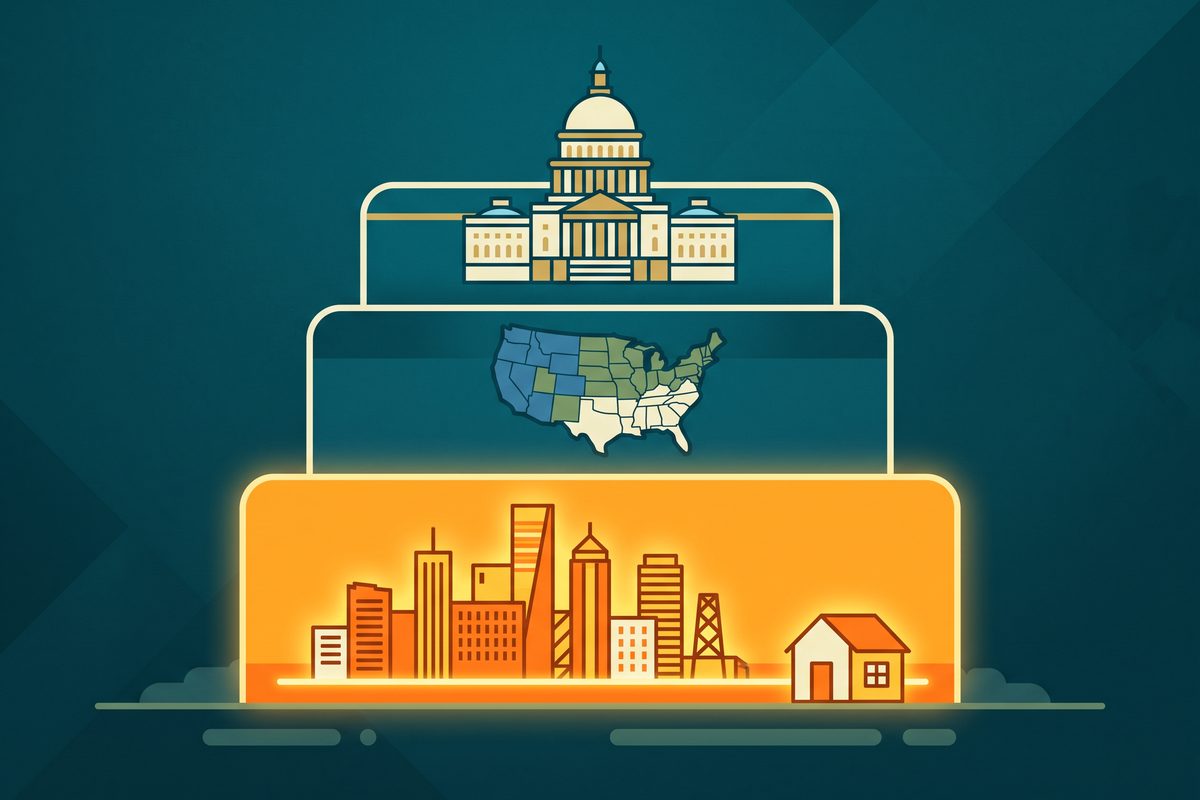
Federal is the easy one. The SBA says you need a federal license or permit only when a federal agency regulates your activity. Uploading videos and running ads isn’t on that list. Drones are the one exception creators trip over, covered further down.
State comes next. The SBA says states regulate a wider range of activities than the federal government and points you to your Secretary of State’s website. Most states don’t issue a general license to every business. Texas says it outright, and Pennsylvania’s business hub says there is no general business license that all Pennsylvania businesses must obtain. A handful of states, including Washington, Alaska and Nevada, do run one.
Local is where the answer usually flips to yes. The SBA notes you may also need licenses from your county or city, and many cities call theirs a business tax certificate or tax receipt rather than a license. It’s the same idea: you register because you earn money inside city limits, and the city wants to know about it.
So if your channel earns money and you live inside a city, assume you need a local registration until the city’s own page tells you otherwise.
10 US states and cities, checked on official pages
I checked these on November 2, 2026. Each row comes from the state or city’s own site. Two places I tried (Atlanta and Denver) were dropped because the official page either wouldn’t load or didn’t say who needs what.
| State / city | Statewide general license? | What a home-based creator runs into locally | Official page |
|---|---|---|---|
| California / Los Angeles | None named; the state’s small business office says most local governments require one, from the city if you’re in one and the county otherwise | Business Tax Registration Certificate (BTRC) from the Office of Finance; the city says all companies doing business in LA need one | business.lacity.gov |
| Texas / Houston | No. “The State of Texas does not require a general license” | Houston’s registration page lists an EIN, a DBA, incorporation and a seller’s permit; a sole proprietor’s DBA goes on file with the county clerk | houstontx.gov |
| New York / New York City | No single license; the state says not all businesses require a license or permit | DCWP licenses businesses in more than 40 specific industries, so check its list for your activity; a DBA is an assumed name certificate | nyc.gov DCWP |
| Florida / Miami-Dade | State licenses are industry-specific (DBPR, DACS) | County Local Business Tax Receipt for each place of business; inside a city you need both a city and a county receipt; home businesses have their own receipt rules | miamidade.gov |
| Illinois / Chicago | None named on the state’s startup guide | Chicago says a city business license is required to operate a business out of your home: a home occupation license, $250, valid two years, zoning approval first | chicago.gov |
| Pennsylvania / Philadelphia | No general license for all businesses | Commercial Activity License for any person or entity doing business in the city; no fee, but you need a Business Income and Receipts Tax (BIRT) account first | phila.gov |
| Washington / Seattle | Yes, if gross income is $12,000 a year or more, or you use a name other than your full legal name, among other triggers | Seattle business license tax certificate; the city says home-based businesses usually need one | seattle.gov |
| Arizona / Phoenix | TPT license from the state if you sell taxable products or services | A city TPT or business license where you’re based; Phoenix’s city rate is 2.3% for most taxable activities | phoenix.gov |
| Nevada (statewide) | Yes, a State Business License, with a home-based exemption you file for | Exemption 003 covers an individual or married couple running a business only from home, if no part of the home is open to the public in a way that needs a local license | bizhub.nv.gov |
| Alaska (statewide) | Yes. Any business that offers a trade, service or profession needs an Alaska Business License | Each license covers one DBA name, so two channel brands can mean two licenses | commerce.alaska.gov |
Two patterns stand out. City-level registrations cluster in big cities with their own business taxes (Los Angeles, Seattle, Philadelphia). And the states that say “no general license” still send you to your county or city.
If your city isn’t here, search “[your city] business tax registration” and only trust a result ending in .gov.
When a city starts treating your channel as a business
No city page I read mentions YouTube by name. They talk about “doing business” in the city, and a monetized channel run from your apartment fits that description easily.

The best-known example is from 2017. Cobb County, Georgia code enforcement cited a full-time YouTuber over his rented house after neighbors complained, and county officials said that earning revenue from videos made at home meant he was running a business that needed a license. He got one. The county’s other complaint, about the number of unrelated adults in the house, was the one that put the lease in question.
Notice how that started. A neighbor complained. Nobody was auditing upload schedules.
Running a channel alone, the work never looks like a business from the street. When I was shooting, editing in Final Cut and uploading by myself, the whole operation was a camera, a desk and an editing timeline. That invisibility is exactly why creators skip this step, and why it surfaces late: in a lease dispute, a zoning complaint, or a city tax notice after the fact.
If you’ve earned money for more than a year and never checked, check now. The cost varies more than people expect: Philadelphia’s Commercial Activity License is free, while Chicago’s home occupation license is $250.
The small-earner exemption trap
Plenty of creators assume that earning a little means registering for nothing. Some cities don’t see it that way.
Los Angeles is the clearest case. The city says small businesses with fewer than $100,000 in receipts per year may not need to pay business taxes, and most new businesses are exempt from business taxes for their first two years. But the same page says filing your annual renewals on time is essential to qualify for those exemptions. In other words: register, file, owe nothing. Skipping registration is not the same thing.
Seattle’s 2026 exemption covers businesses with $4,000 or less in annual gross income in the city that don’t maintain a place of business there. A creator filming at home in Seattle arguably has a place of business there, which is presumably why the city says home-based businesses usually need the certificate. If you’re near that line, ask City Finance before you assume you’re out.
The rule of thumb: an exemption from the tax is rarely an exemption from registering.
Home occupation permits and zoning
A business license and a home occupation permit are different things. The license says you’re registered to do business; the home occupation approval says your house is zoned to host that business.
Chicago bundles both. Its home-based business page requires a city business license to operate from your home, issues a home occupation license for $250 that lasts two years, and needs zoning approval before the full application. It also caps traffic: no more than two patrons in the home at once, ten in any 24-hour period, and one non-resident employee.
For a solo creator, those limits rarely matter. They start to matter when you film guests, run a podcast with a rotating cast, or hire an editor to work from your living room.
Renters have an extra layer. Your lease may restrict business use regardless of what the city allows, so read the clause before you build a set in the spare room.
Using a channel name: when you need a DBA
If you’re a sole proprietor and the money arrives under your legal name, you may not need a DBA at all. The trigger is doing business under a different name: the channel name on a sponsor contract, a Stripe account, or a merch store.
How that’s handled varies:
- Texas (Houston’s page): a sole proprietor’s DBA form goes on file with the county clerk in each county where the business operates, and the city notes that a DBA doesn’t protect the name from other businesses.
- Illinois: the Assumed Name Act requires sole proprietors and general partnerships to register a business name that differs from the owner’s legal name, at the county clerk’s office.
- New York: the state calls it an assumed name certificate and sends you to the Department of State.
- Washington: doing business under a name other than your full legal name is one of the triggers for a state business license.
- Alaska: each business license covers one DBA name.
A DBA is a registration, not a trademark. If you want to protect the channel name itself, that’s a separate decision.
Merch, digital products, and seller’s permits
Ad revenue and sponsorships don’t usually make you collect sales tax. Selling things can.
California’s small business office sends anyone selling tangible property to the California Department of Tax and Fee Administration for a seller’s permit. Houston’s registration page lists the state seller’s permit alongside the DBA. Arizona’s Department of Revenue says a business selling a product or service subject to its transaction privilege tax will likely need a TPT license, plus a city license where it’s based.
If your merch runs through a print-on-demand platform that acts as the seller, or your digital products sell through a marketplace that collects tax for you, your own permit obligations can look very different. The details depend on the state and the platform, and I’ve laid them out in sales tax on digital products.
Only apply for a seller’s permit when you actually sell something taxable. Registering before you sell anything mostly buys you returns to file with nothing on them.
Drones: the federal license creators forget
This is the one federal requirement that hits ordinary channels. The FAA says almost all non-recreational drone flying is regulated by Part 107, and that compensation, or the lack of it, is not what decides whether a flight was recreational.
The FAA’s recreational exception covers flying purely for fun or personal enjoyment. A drone shot for a monetized video is hard to fit into that box, and the FAA’s own advice is “when in doubt, assume Part 107.” If B-roll from the air is part of your format, get the remote pilot certificate before your next shoot.
Do you need an LLC or an EIN to get a license?
No. A city business tax certificate is available to sole proprietors, and Los Angeles notes that a sole proprietor with no employees can use a Social Security number instead of an EIN. Philadelphia accepts either an EIN or an SSN.
An LLC doesn’t replace any of the registrations above. It adds a state filing and usually means the LLC itself registers with the city. Whether that’s worth it is its own question; I went through it in should you form an LLC for a YouTube channel, and the EIN side is in do you need an EIN for your YouTube channel.
If you’re still deciding whether the channel counts as a business for taxes, start with hobby vs. business for creators. The rest of the tax side lives in the creator taxes hub.
The 7-step license checklist for a solo channel
Work through this once, in order, and write down the answer to each step with the link you found it on.

- State license. Search your state’s official business portal. If you live in Washington, Alaska or Nevada, plan on a state filing (or Nevada’s home-based exemption form).
- City or county registration. Find out whether you live inside city limits. If you do, look up the city’s business tax or license page; if not, the county’s. Register if the page covers “all businesses doing business” there, even if you expect to owe nothing.
- Home occupation and zoning. Check whether your city requires a home occupation permit or zoning sign-off, and read your lease or HOA rules.
- DBA. If anyone pays you under the channel name rather than your legal name, file the DBA or assumed name your county or state uses.
- Seller’s permit. Only if you sell taxable goods or services yourself. Skip it for AdSense, sponsorships and affiliate income.
- Drone certificate. Only if you fly a drone for the channel: FAA Part 107.
- EIN and LLC. Optional for a solo channel. Decide them separately, using the two posts linked above.
Most solo creators end up with one or two items on this list: a city registration and maybe a DBA.
Open your city’s .gov business tax page today and read the first paragraph. It tells you, in about a minute, whether step 2 applies to you.
Frequently asked questions
Do I need to register my YouTube channel as a business?
Not with the federal government. If you run the channel alone and haven't formed an LLC, you are already a sole proprietor; the SBA says no formal action is needed to form one. The registrations that usually apply are local: a city or county business license or tax certificate, a DBA if you get paid under the channel name, and a state seller's permit if you sell merch.
Is running a YouTube channel considered a business?
For taxes, the IRS asks whether you run the activity to make a profit, not whether it is registered. AdSense and sponsor income is taxable either way. For a city license, most places look at whether you earn money while based in their limits, so a monetized channel usually counts.
Do I need a business license if my YouTube channel isn't monetized yet?
Usually not. City and county licenses are aimed at doing business, and a channel that earns nothing is hard to describe that way. The moment money arrives from AdSense, a sponsor, or affiliate links, check your city's rules. Some cities, like Los Angeles, want registration even when your receipts are small enough that you owe no business tax.
Is there a federal business license for YouTubers?
No. The SBA says a federal license is needed only for activities a federal agency regulates. Making and monetizing videos isn't one of them. The federal exception creators hit is drones: the FAA says almost all non-recreational drone flying falls under Part 107.
Do I need a DBA to use my channel name?
If you are a sole proprietor and you take payments or sign deals under a name other than your legal name, often yes. Texas and Illinois route this through the county clerk, New York calls it an assumed name certificate, and Washington makes it one of the triggers for a state business license.
Does forming an LLC replace a business license?
No. An LLC is a state filing that creates a legal entity. A city business license or tax certificate is a separate registration that applies to the LLC just as it would to a sole proprietor. Forming an LLC can add steps, such as registering the LLC's name with the city.
Sources
- SBA: Apply for licenses and permits
- CalOSBA: Set up your business in California
- City of Los Angeles: Business Tax Registration Certificate
- Office of the Texas Governor: Business Permit Office
- City of Houston: Start a Business, Registration
- New York State: Start a business in New York State
- NYC DCWP: Apply for a business license
- Florida Department of State: Get a business license
- Miami-Dade County: Local Business Tax Receipt
- Illinois DCEO: Step-by-step guide to starting a business
- City of Chicago: Home-based business
- PA Business One-Stop Hub: Federal, state, county, and local licensing guide
- City of Philadelphia: Get a Commercial Activity License
- Washington DOR: Apply for a business license
- Washington DOR: Business licensing and renewals FAQs
- Seattle City Finance: Business licenses
- Arizona DOR: TPT license
- City of Phoenix: Transaction privilege and use tax licenses
- Nevada Secretary of State: State business license exemption instructions
- Alaska Division of Corporations, Business and Professional Licensing: Obtain a business license
- FAA: Recreational flyers and community-based organizations
- Marietta Daily Journal: Popular YouTube personality cited by Cobb code enforcement (2017)
This article is general information based on the author's experience. It is not licensed financial, legal, or tax advice. See the editorial policy.